
Spring Yard Preparation
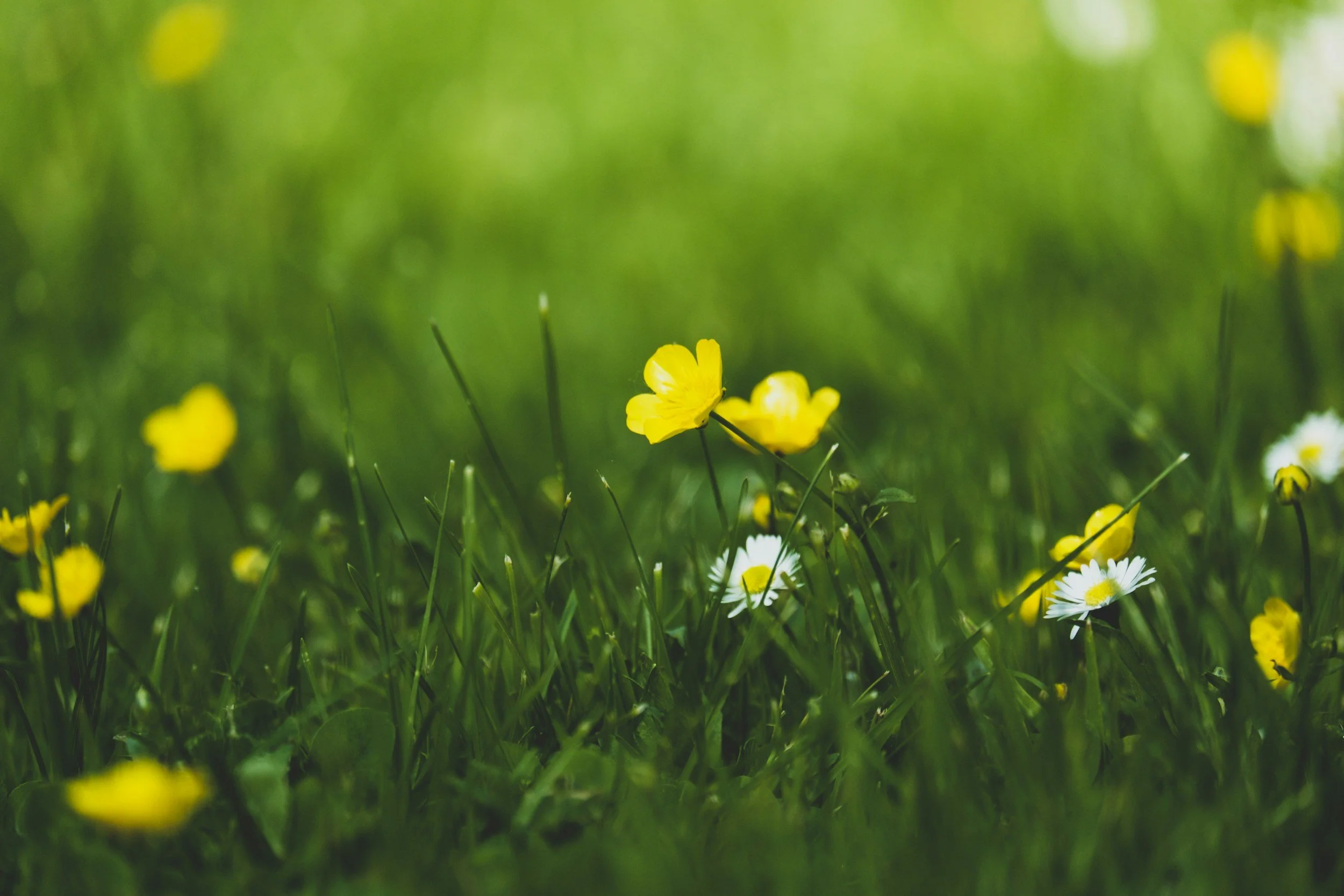
Spring is here! We’re ready for more sunshine and fresh routines. Now that the new season is here, it’s time to shift responsibilities. We are going to share everything you need to know about prepping your landscape for spring time. Let’s get into it —
planT your spring garden
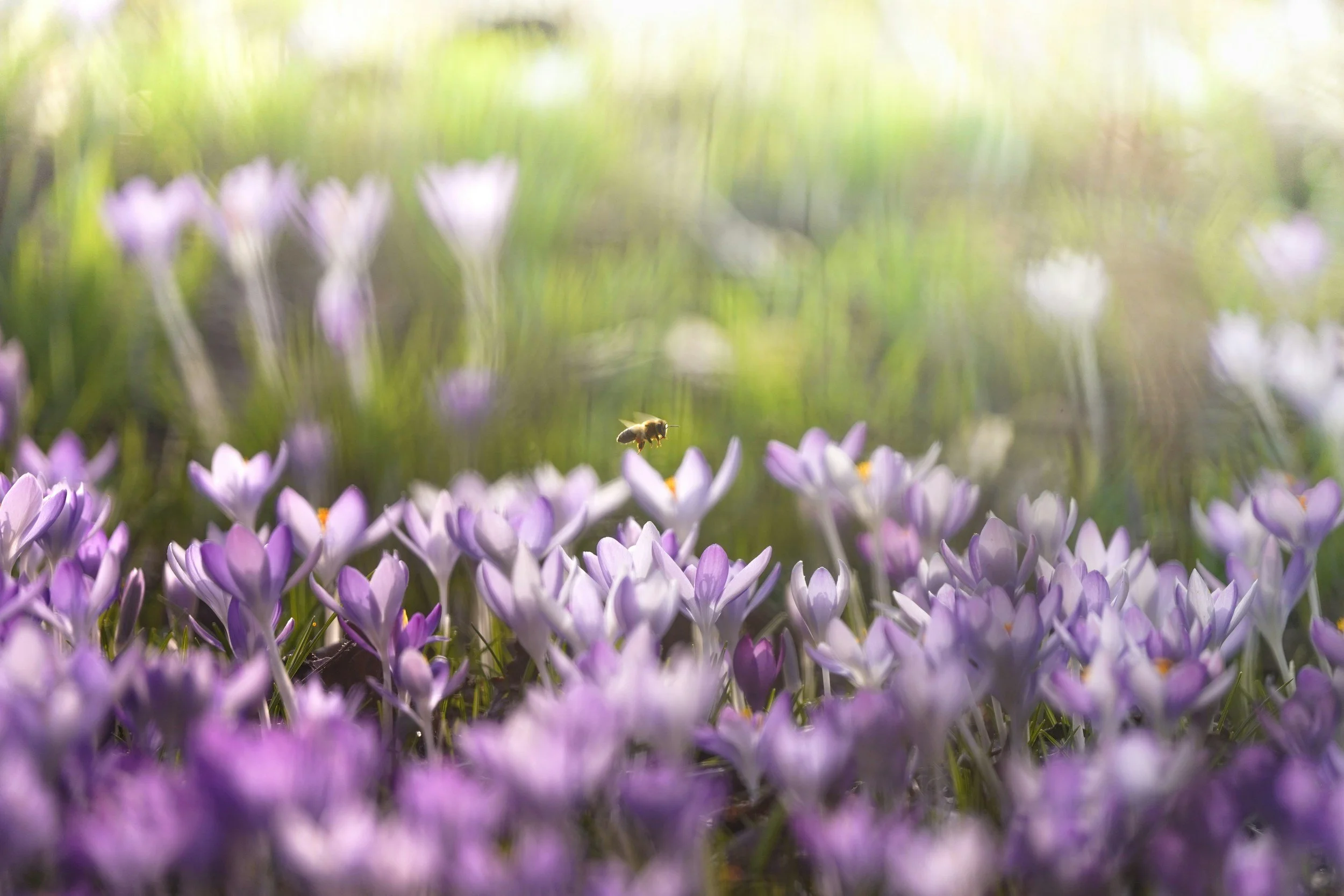
These two questions are going to be the foundation of your spring gardening plan: What am I going to grow and where am I going to grow it? If you’re wanting plenty of vegetables, it’s best to plant within a consistently sunny area of your yard. If some of your veggies require around 8 hours of sunlight while others less, you can go ahead and add overhead shade the ones that have reached their maximum amount of sun in order to prevent sunburn. Do ample research to make sure you’re properly planting and caring for vegetables, herbs, and flowers alike. Knowing what plants thrive in your zone is key. For reference, the Bay Area is Zone 9b. If you are a reader from a different area, here is a good resource to find your growing zone from the USDA Planting Zone Map.
fertilize your soil
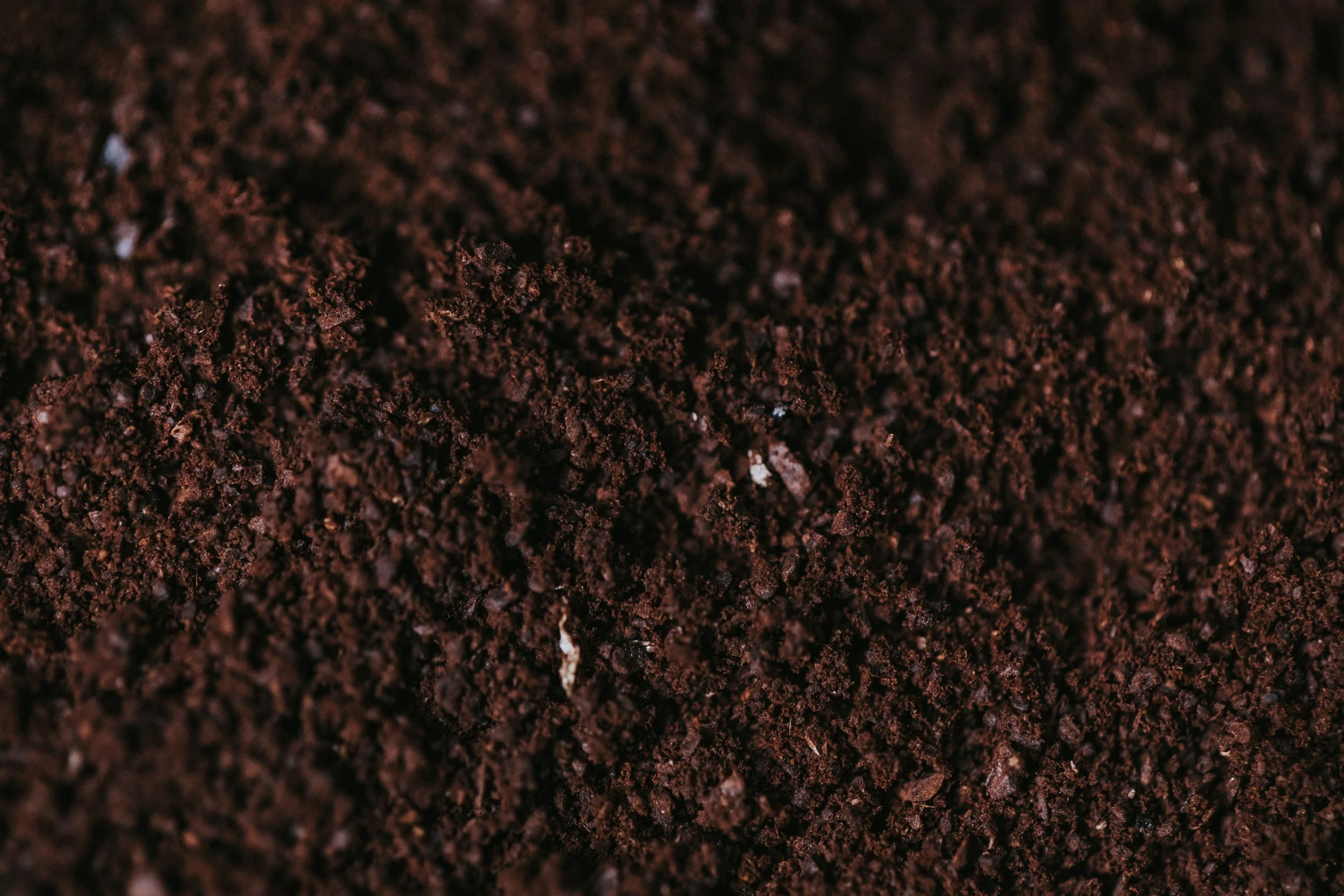
Fertilizing can be an easily missed step when it comes to the spring transition, but it’s extremely important to prioritize so you can ensure that your soil is giving the best nutrients to your garden. Additionally, fertilizer develops the malleability of the soil, which makes it easier for roots to stretch through as they grow. There are lots of options for fertilizers, we would recommend chatting with your local nursery for some specific advice!
Compost is another option to enhance the richness of the soil. Planet Natural Research Center states that “most frequently and most usefully, compost is added to your garden as a soil amendment to improve soil structure, buffer pH, increase the population of micro and macro organisms, and add organic material on which soil organisms feed.” Important to note: make sure to uproot any weeds that may be in your garden beds before fertilizing!
SPRING CLEANING CHECKLIST
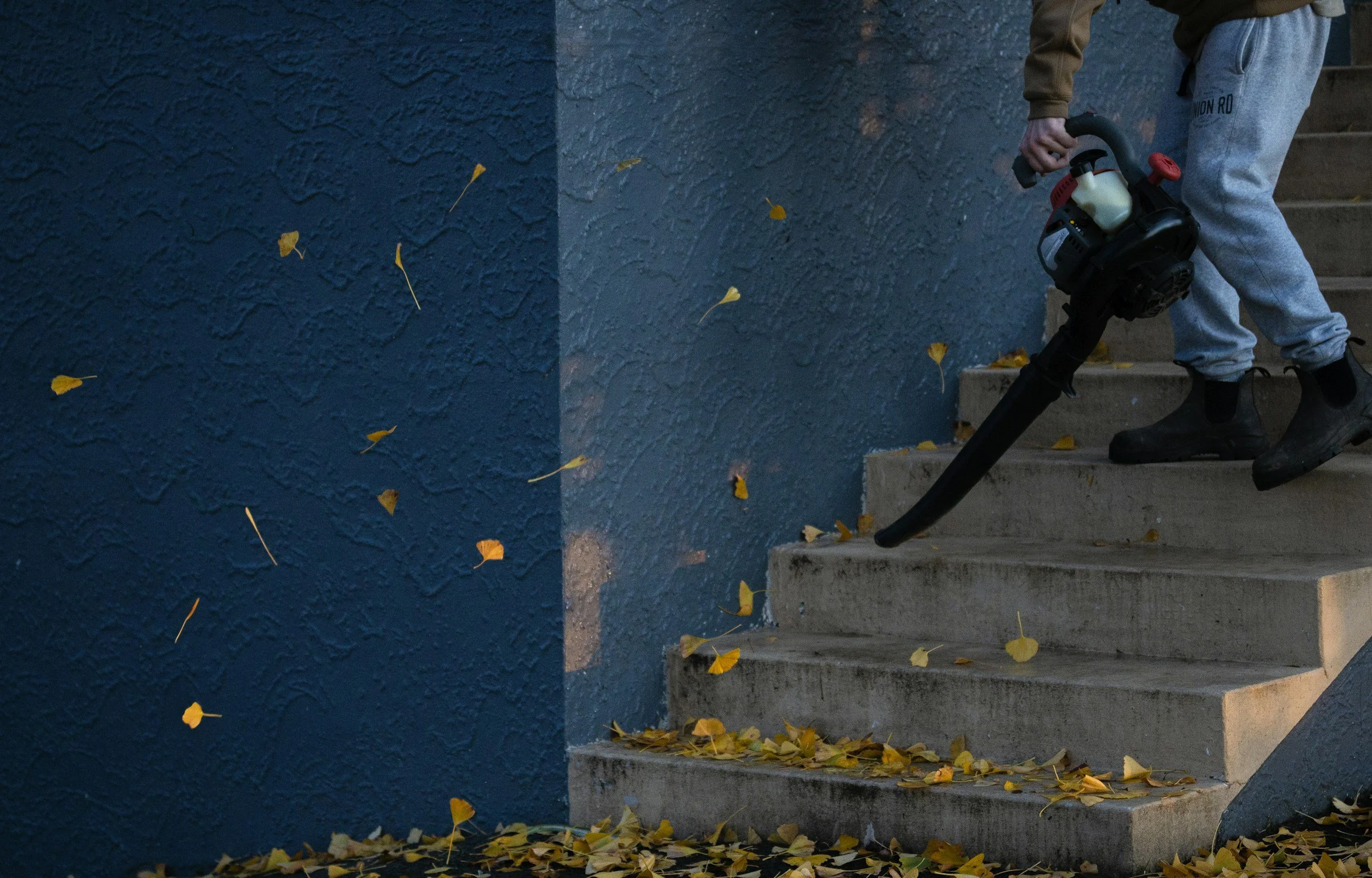
Addressing non-plant related issues is just as important when prepping your spring landscape. You may notice that there has been some winter damage done, so walk around your yard and inspect what may need some tending to. Some things to focus on are:
Shifts in fencing, arbors, trellises and any other outdoor structures
Check on garden bed foundations and clean out any debris
Clean out all gunk from your gutters
Replenish and scrub down water features (ponds/waterfalls/etc)
Power wash your concrete and other hardscapes
Refresh your landscape edging
*Tip: While you’re walking around inspecting non-plant issues, have some gardening shears on hand to prune any dead foliage you may come across
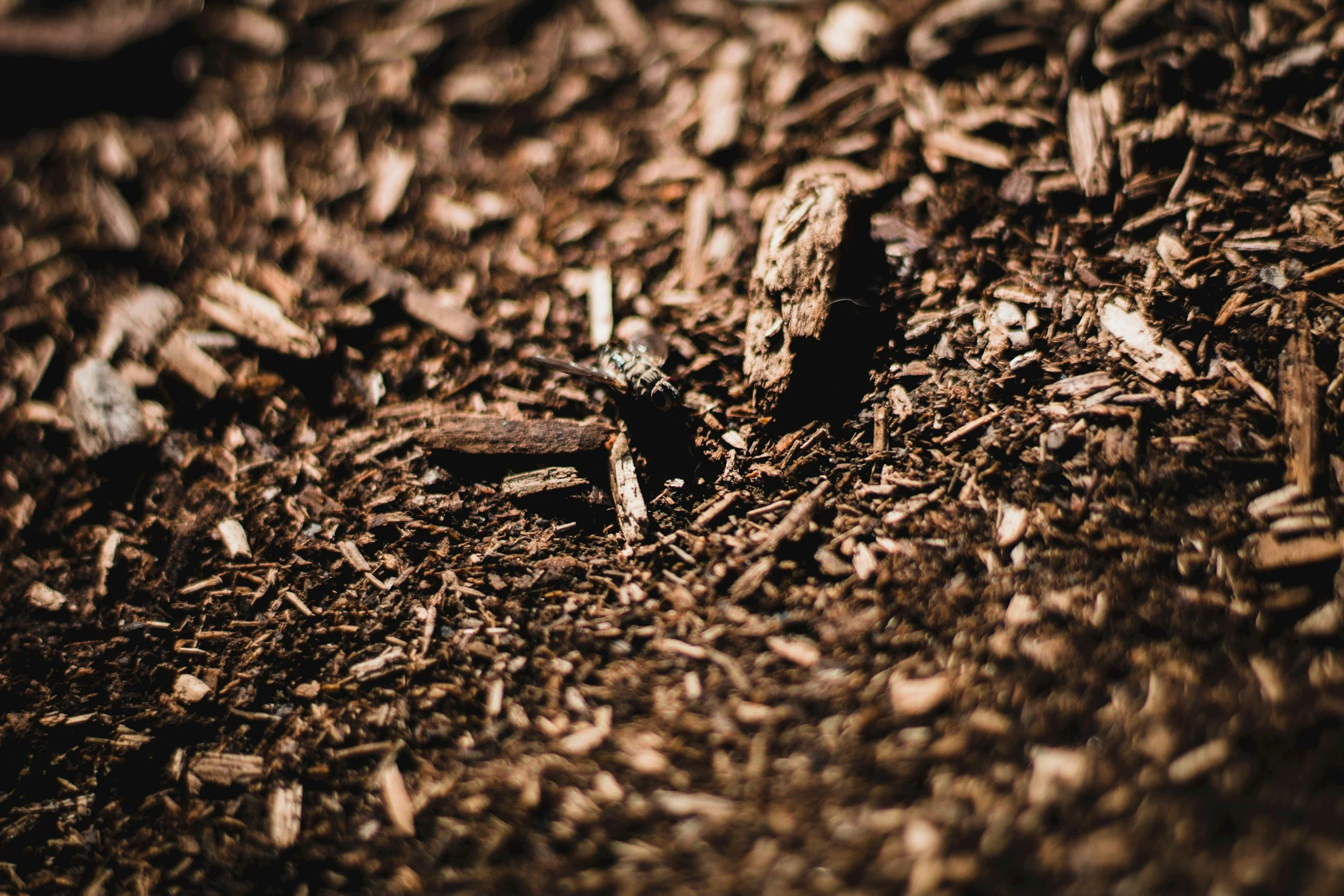
mulch as a tool
Mulch is one of the most versatile tools for your landscape. Not only is mulch helpful to protect against cold weather throughout the winter, it also is helps protect soil from the bright spring sun and assists in maintaining the moisture that’s required to feed plants. As mulch breaks down over time, it converts to packed nutrients for your plants! We would recommend wood chips as your choice of mulch as a plethora of plants can benefit from this option.
Need assistance?
The GPL Team is here to help! Contact us to get connected. We look forward to creating with you!