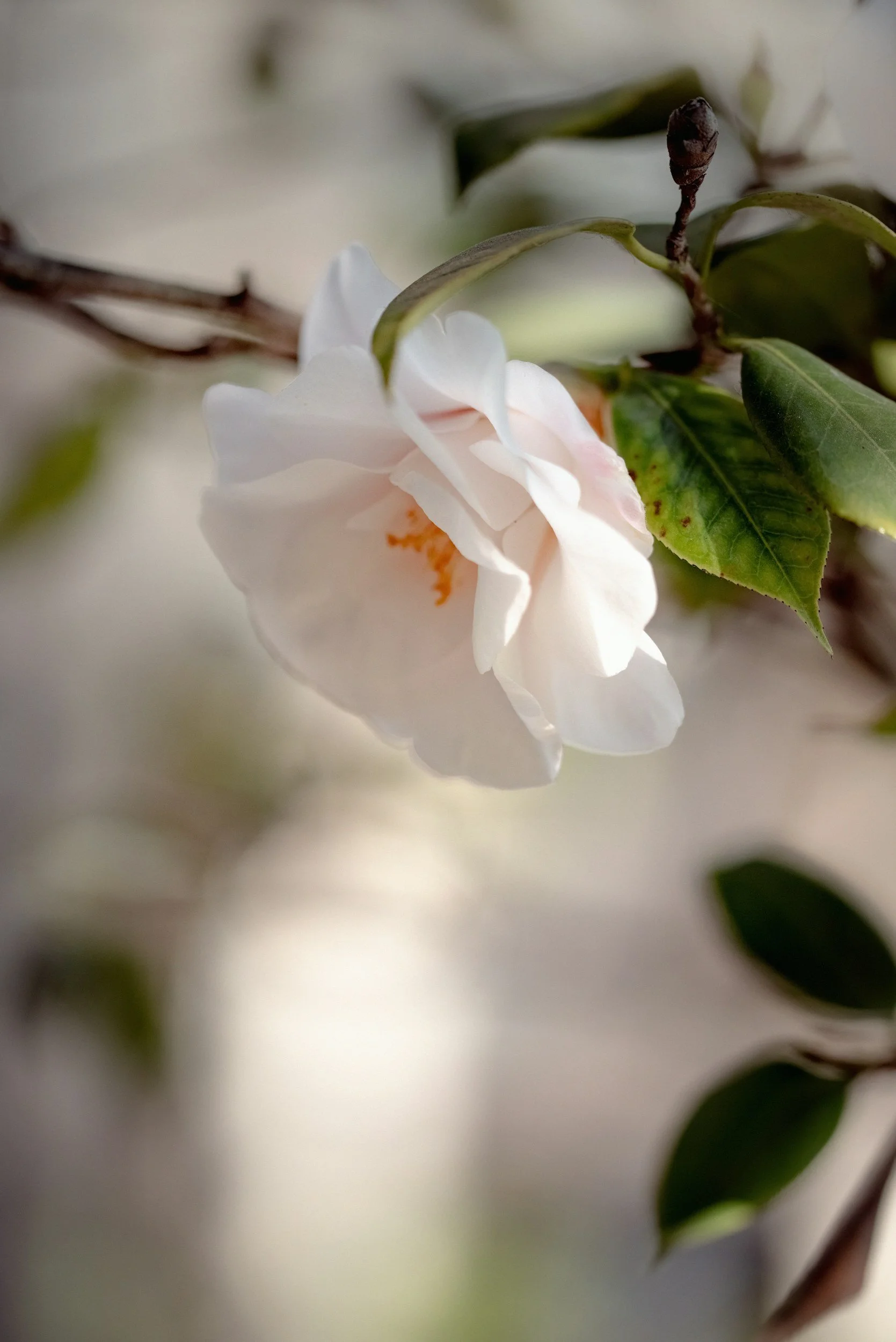
Spotlight: Camellias
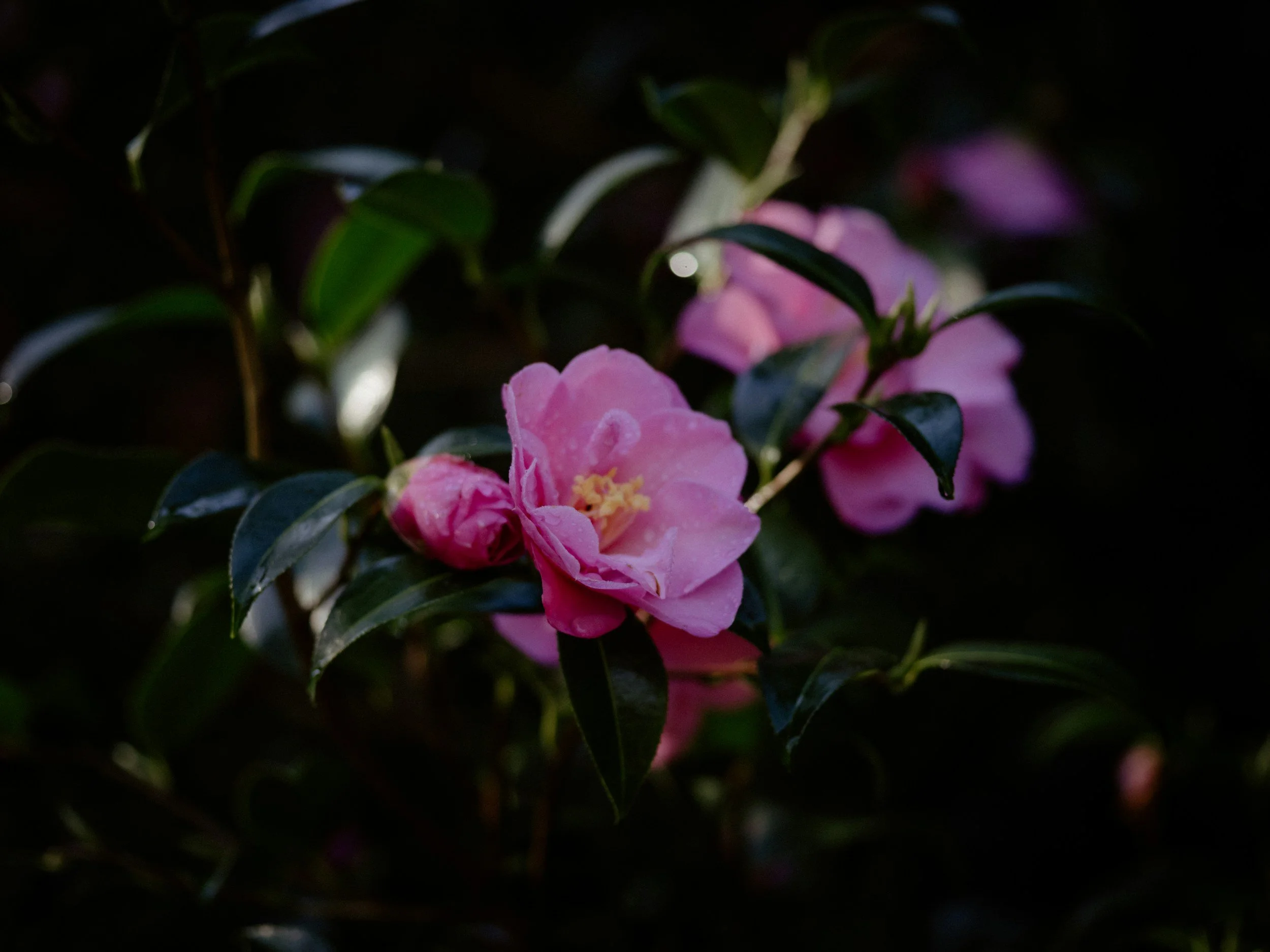
One of our favorite signals that spring is near is the hopeful bloom of the Camellia flower. We’re here to share all about this wonderful flowering evergreen shrub. Let’s get started —
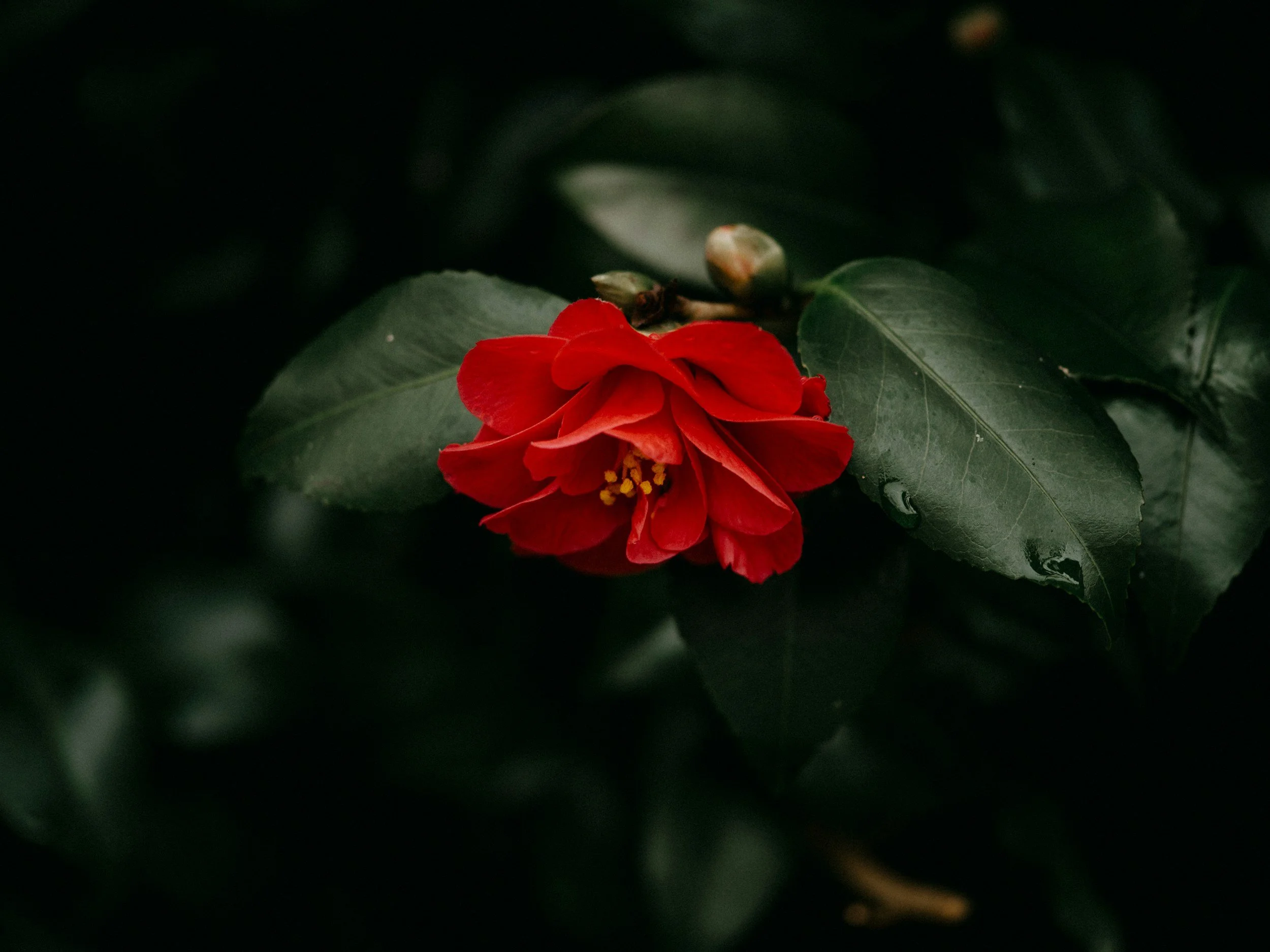
camellia overview
Camellias are evergreen shrubs (some even small trees) that produce gorgeous, vibrant flowers that bring us all hope in the dead of winter. Although some species can also bloom during fall time, they are most popularly known for their winter types that produce flowers when very little is in bloom. They are a part of the Theaceae family and are native to Asia.
types of camellias
There are around 250 different species of Camellias, all encompassing differing flower petal characteristics and colors ranging from white, reds and pinks.
POPULAR SPECIES
Camellia japonica: bloom in winter into spring
Camellia sasanqua: bloom in the fall time
Camellia reticulata: bloom in winter into spring
SHARED CHARACTERISTICS (amongst all species)
The shrubs themselves grow to 6-15 feet in height and 5-7 feet in width
Evergreen glossy leaves
Camellia flowers begin as tight buds before blooming
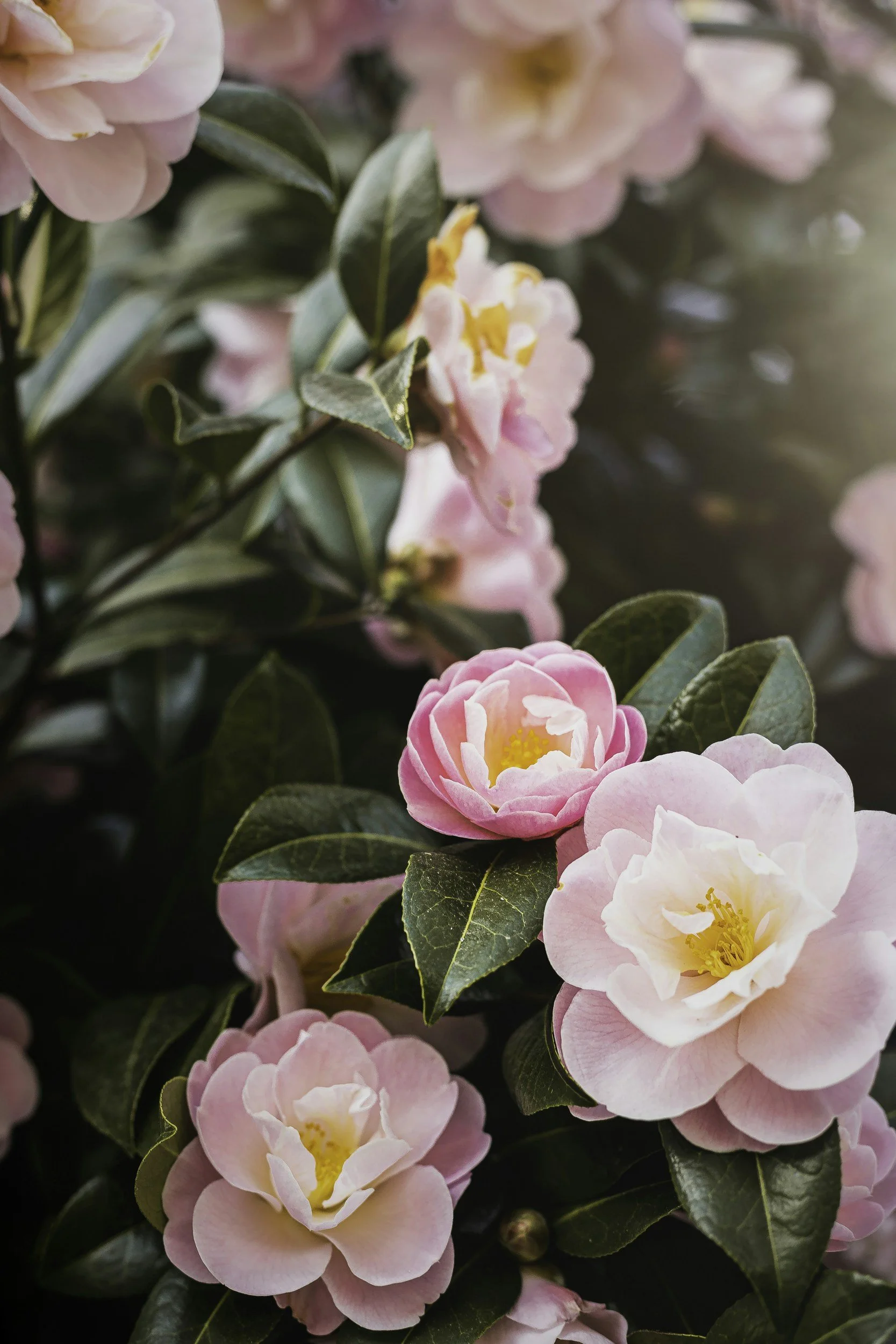
how to care for them
Light: prefer partial shade to avoid browning and wilting
Soil: acidic and well drained
Water: consistent watering schedule to avoid overwatering and maintain moisture; they can be prone to root rot
Growing Zone: grow best in zones 7-10, however in some environments, zone 6 can be tolerated
Where to plant: because they’re shrubs, they are best utilized as hedges, against fences, along walls, or to establish any type of partition
other fun facts
Camellias are cultural symbols of love and devotion
“Camellia sinesis” is a type of Camellia species that is utilized for tea
Commonly coined as the “Queen of Winter Flowers” because they bloom when little else is alive
Although commonly used as hedges, they also grow well in pots and containers