Summer Guide to Landscape Care
Summer weather is here and it’s not cooling down anytime soon! We’re here to guide you on how to care for your landscape and what you can do to best prepare for the upcoming heatwaves.
ESTABLISH A WATERING SCHEDULE
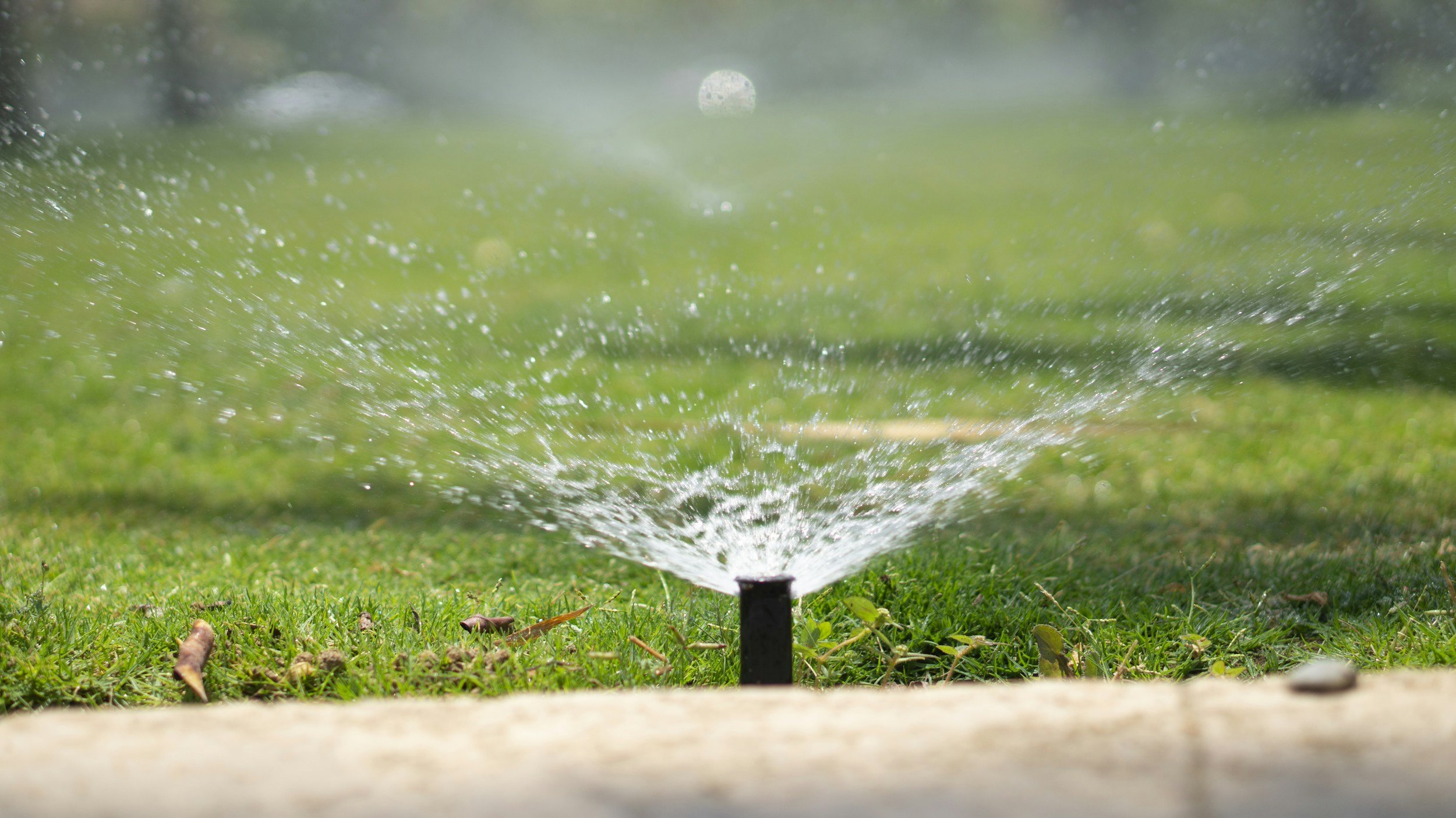
Having a consistent watering regimin is your strongest form of defense against the summer heat. Here’s what we suggest:
Timing: Early morning waterings are superior because temperatures are lower!
Deep, infrequent watering: Water deeply, about 10 inches, in lieu of daily waterings. We would suggest watering 1-2x per week.
Trees: Don’t neglect those mature trees, focusing on watering their roots.
*Tip: If you’re rearranging your plants, try pairing the ones that require similar care together. This assists you as you’re creating your watering plan and helps your plants thrive and not compete for resources. Additionally, you can consider using drought-tolerant plants that thrive with intense heat.
mulch as a sun guard
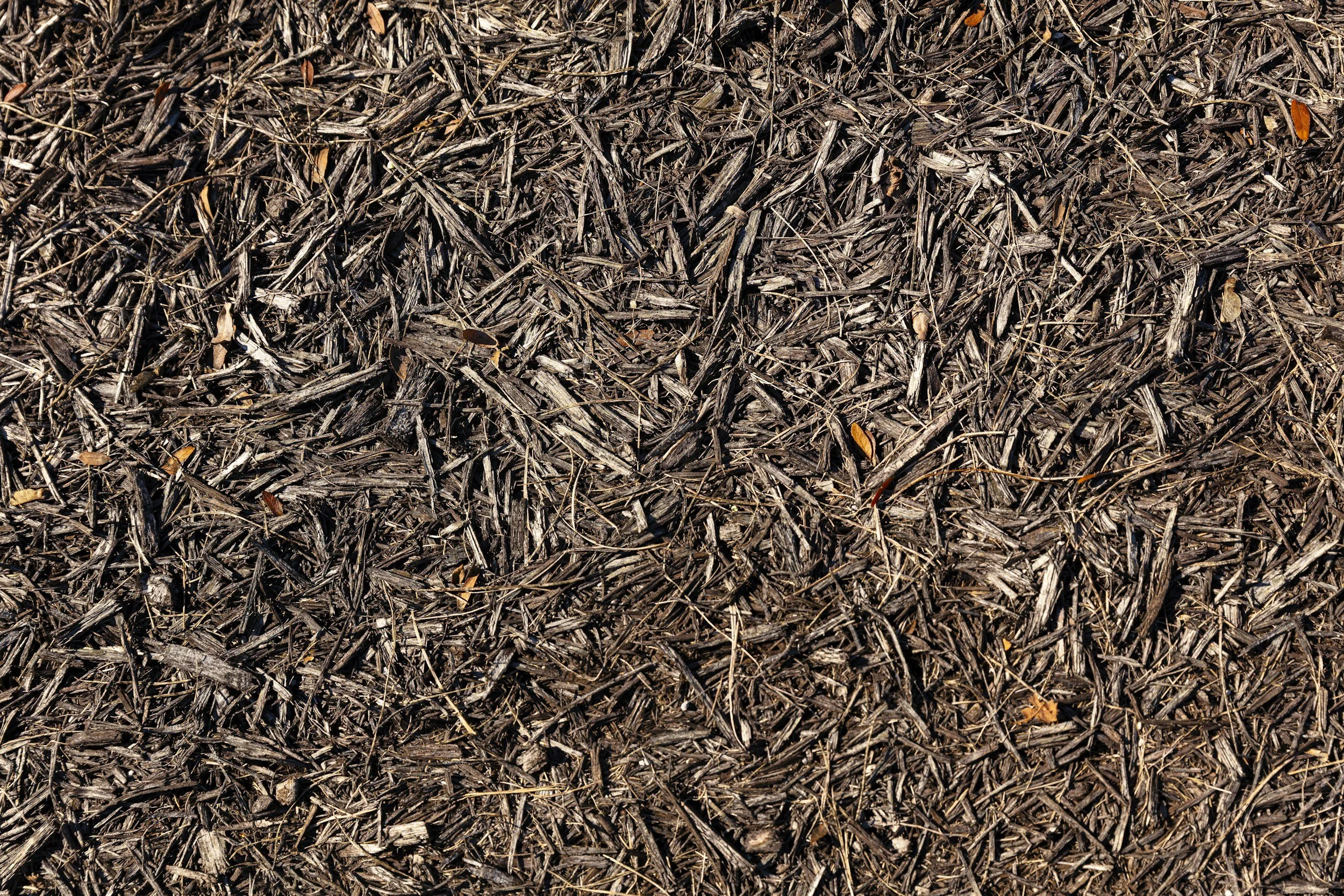
This isn’t news to you if you’ve been a follower of GPL. We won’t ever stop singing mulch’s praises. Mulch is extremely multi-faceted and in this case, it conserves water as it slows down the evaporation of the water that is being absorbed by the soil. The best part is that as it decomposes and adds plenty of nutrients back into the soil. This will increase the quality of your soil over time.
pruning
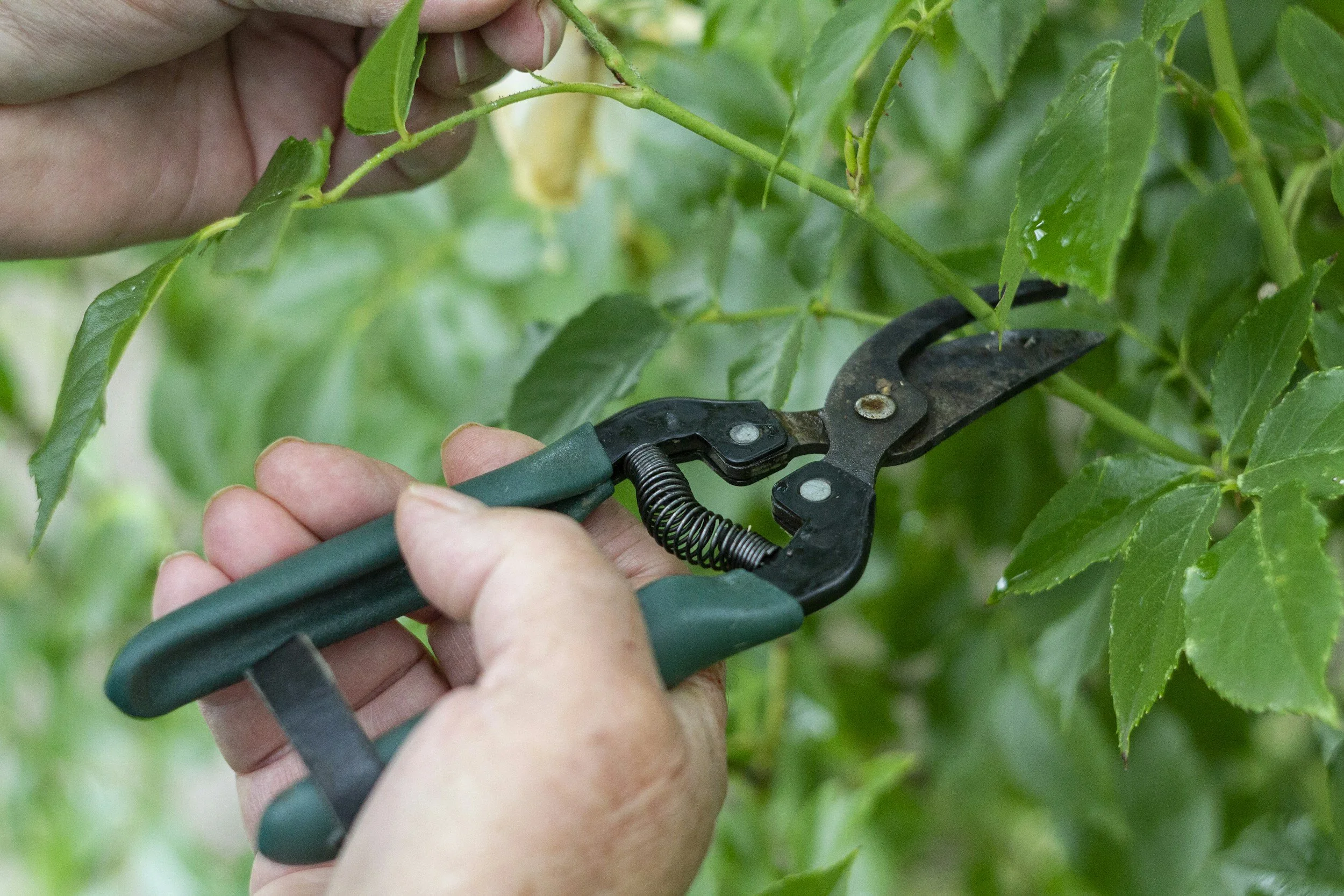
This step is essential during the summer as the sun may cause excessive growth. This pruning helps redirect the plant’s goal to flowering as it opens up airflow and light towards the inner branches. Also, decongesting the crowded areas reduces the humidity that creates diseases for plants. Focus on cutting off anything that looks diseased, dead, damaged, or disoriented (growing in an awkward direction).
lawn care
As we mentioned earlier, watering early in the morning when temperatures are lower is the best time to give your lawn some hydration and it reduces the chances of any fungi growth. You’ll want your mower height to be 3-4 inches; taller grass helps roots grow deeper and assists the soil with maintaining moisture.
*Did you know that leaving grass clippings on the surface of your lawn creates a natural moisture barrier?